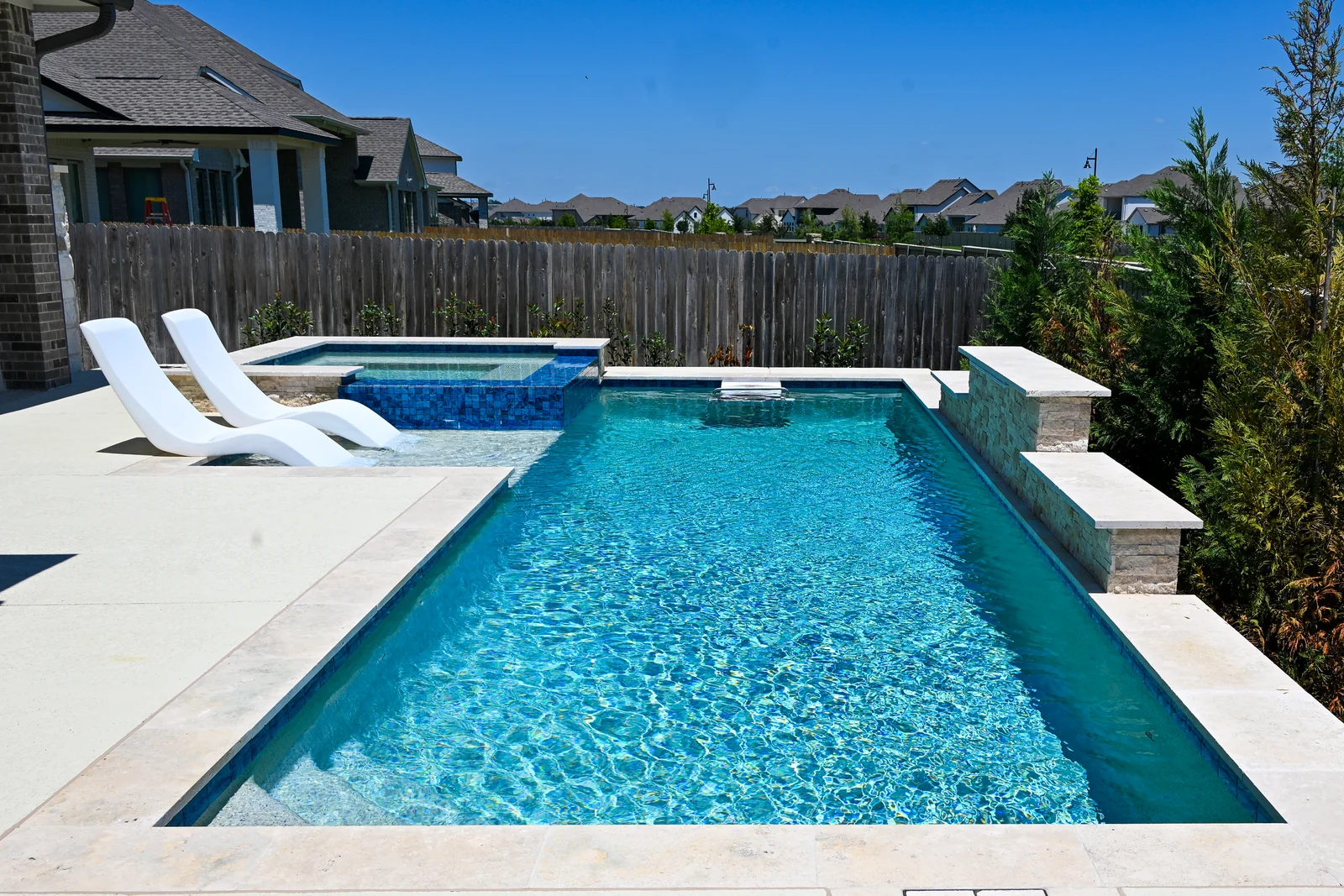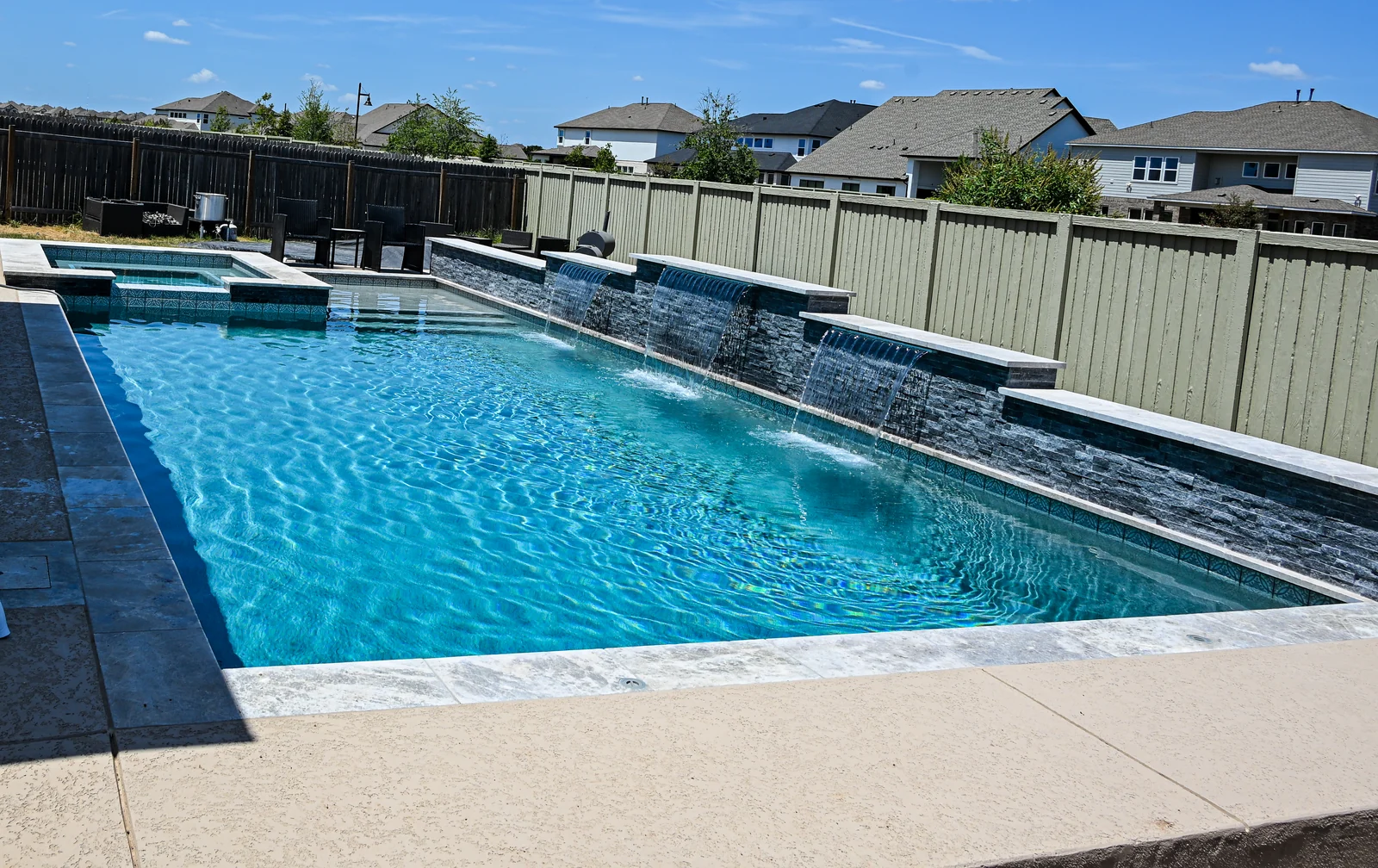
The cost of an inground pool in Central Texas is set mostly by six things: the rock under your yard, the size and shape of the pool, the interior finish, the equipment, the features you add, and the permits and access for your lot. Two pools with the same footprint can need very different work, which is why we quote every pool after walking the site rather than publishing a price.
This post goes through what moves the number, so a quote reads as a list of decisions rather than one figure. It ends with what owning a pool here involves, because that is the other half of whether it is worth it.
The ground under the yard
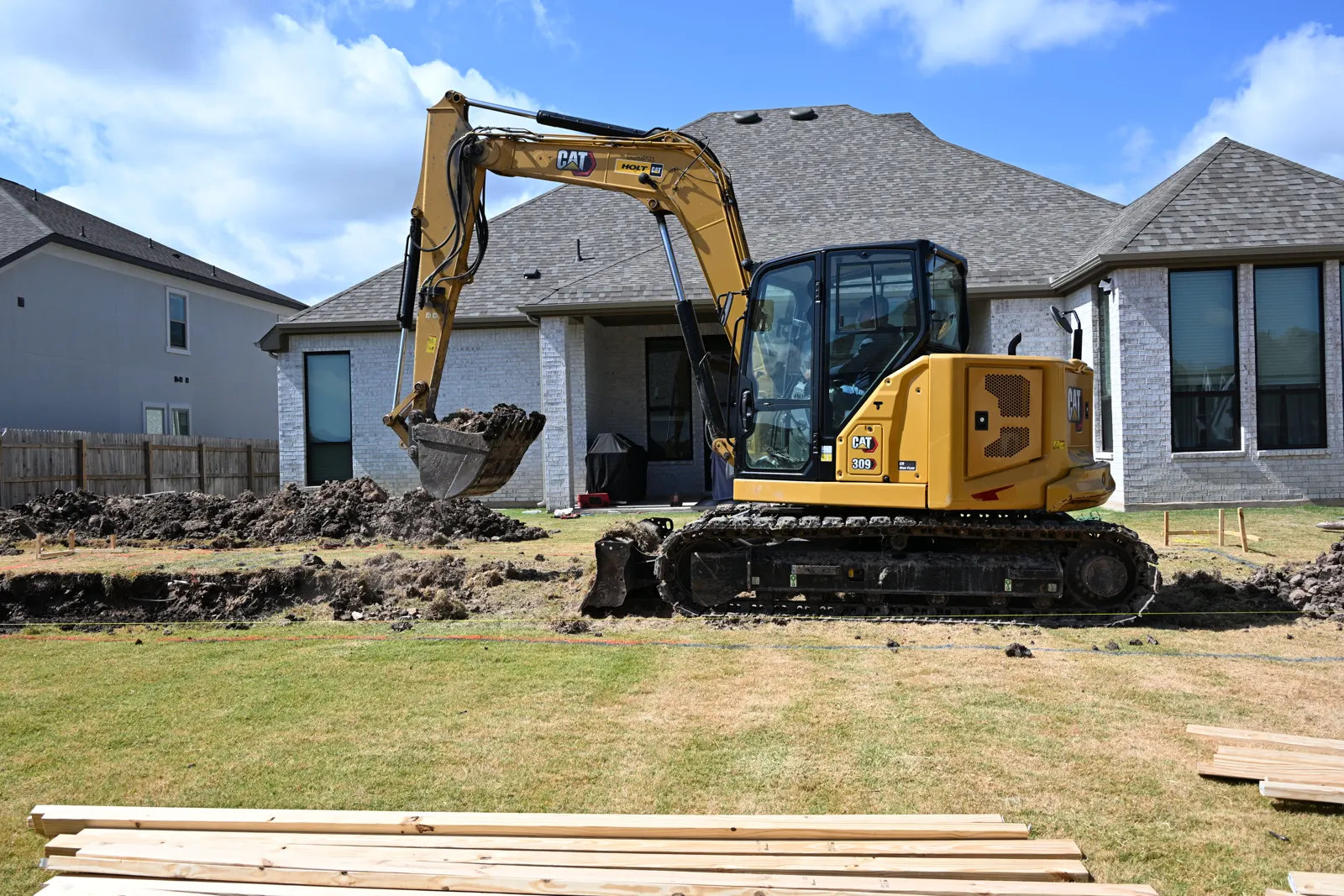
Rock is the biggest unknown in a Central Texas dig. The University of Texas Bureau of Economic Geology describes soils west of the Balcones Escarpment as thin and rocky over Glen Rose and Edwards limestone, and soils to the east as deep and well developed. Liberty Hill sits on the rocky side.
The USDA soil survey for Williamson County maps the center of Liberty Hill as Eckrant cobbly clay. The official Eckrant description puts hard limestone bedrock 4 to 20 inches down, with rock fragments making up 35 to 80 percent of the soil by volume, and the survey rates it very limited for shallow excavation because of depth to hard bedrock and large stones. A pool hole is a deep excavation in that ground. Whether the excavator digs through or has to break rock is the line item that varies most from one Liberty Hill lot to the next, and it is why we flag it at the site visit.
Size, shape and depth
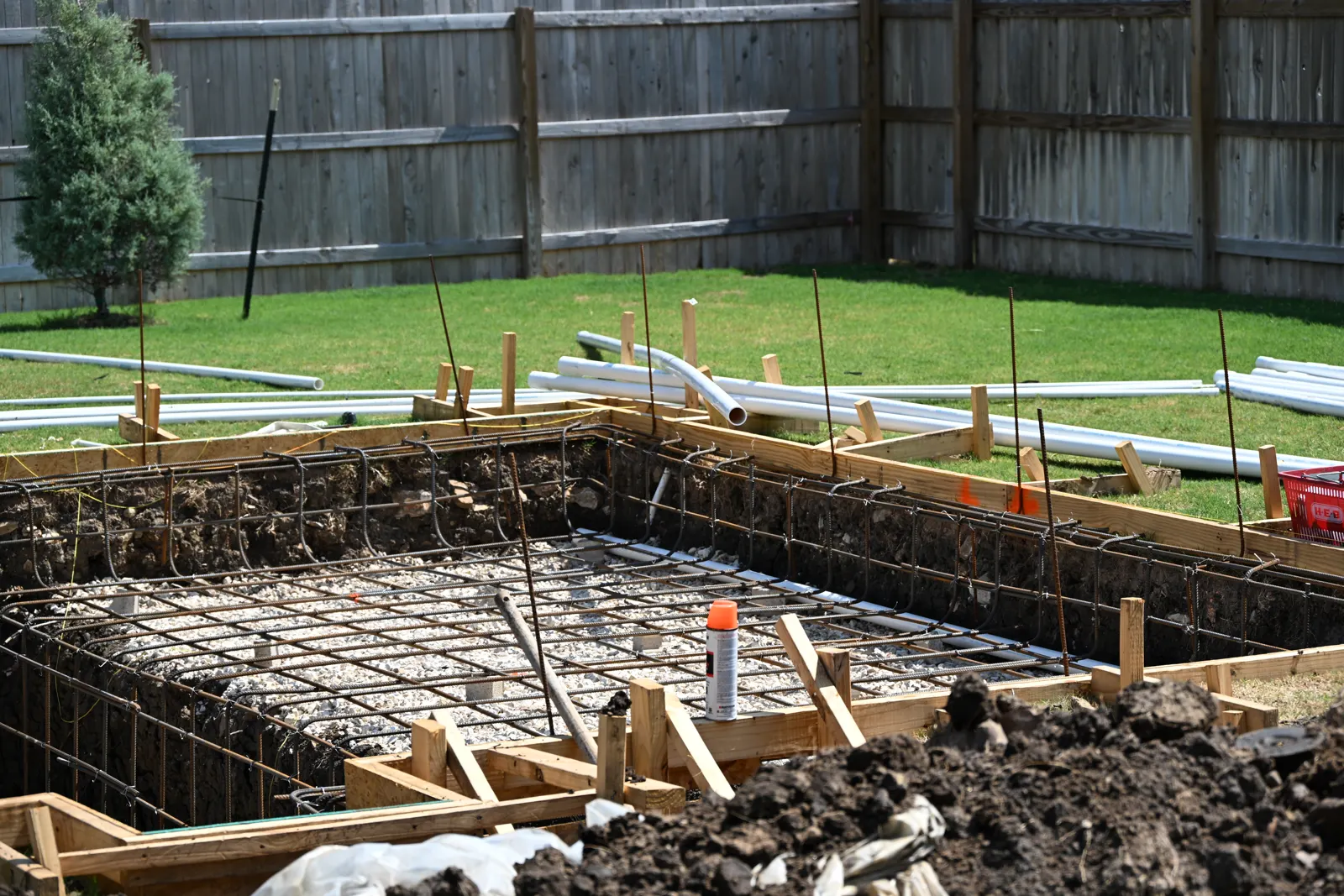
A gunite pool is built to a drawing, so every change to the shape is a change to the steel, the gunite and the excavation. Larger, deeper and more complex shells use more of all three. Raised walls, benches and tanning ledges are shaped into the shell rather than added later. Our post on what gunite is explains how the shell is built and why we use it.
The interior finish
The finish is a durability decision as much as a look. The National Plasterers Council calls white plaster a relatively soft finish that is more affected by water chemistry than newer products, describes quartz aggregate finishes as harder and far more resistant to changing chemical conditions, and calls pebble the most durable surface available. Each step up changes the quote and how long the surface lasts.
Equipment
Pump, filter, heater and controls are chosen once at build time, and they decide part of what the pool costs to run for years. ENERGY STAR says a pool pump could be a home's second largest energy user, that certified in-ground pumps use 20% less energy than standard ones, and that halving a pump's speed lets it use one-eighth the energy. New Department of Energy standards for pool pump motors apply from September 29, 2025 for motors of 1.15 to 5 total horsepower.
Heating is a separate choice. ENERGY STAR gives the federal efficiency standard for gas pool heaters as 82%, with the best gas heaters reaching 95%, and the Department of Energy rates heat pump pool heaters by coefficient of performance instead. Our energy efficient equipment page covers what we specify.
Features and add-ons
A spa, a water feature, lighting, automation, an outdoor kitchen or a fire feature each add to the quote, and each is far simpler to build with the pool than to retrofit later, because the deck is open and the trades are already on site. Our custom add-ons page lists what we build.
Permits, inspections and access
A pool here needs a permit. The City of Liberty Hill fee schedule lists an in-ground swimming pool permit, inspections included, as its own line, requires a building permit inside city limits and in its extraterritorial jurisdiction, and lists a penalty for work without one. Access matters too: a narrow side yard or a slope changes what equipment can reach the dig.
What owning a pool here involves
The swim season is long. The National Weather Service puts Austin's normal highs above 90 degrees from May 26 to September 23, and over 1991 to 2020 the average first freeze came on December 1 and the last on February 15.
Water goes up into the air. The Texas Water Development Board measures open-water evaporation for the area that includes Liberty Hill at an average of 51.91 inches a year over 1991 to 2020, with 7.09 inches in an average July against 2.13 in January. In 2025 that area recorded 47.76 inches of evaporation against 30.37 inches of rain. That is a lake measurement, not a pool one, but it shows why summer top-offs are part of owning a pool here. ENERGY STAR says covering a pool when it is not in use can cut water use by 30% to 50% and chemical use by 35% to 60%.
Running choices add up. ENERGY STAR cites a PG&E study in which a robotic cleaner used 197 kWh a year, a cleaner driven by the filter pump 1,675 kWh and a booster-pump cleaner 2,989 kWh.
Is it worth it
That depends on how long you will stay and how much you will use it, and we will not pretend a pool is a financial investment. What we can do is make the number honest: a custom pool construction quote from us is itemized after a site visit, with the rock risk named before the dig rather than after it.