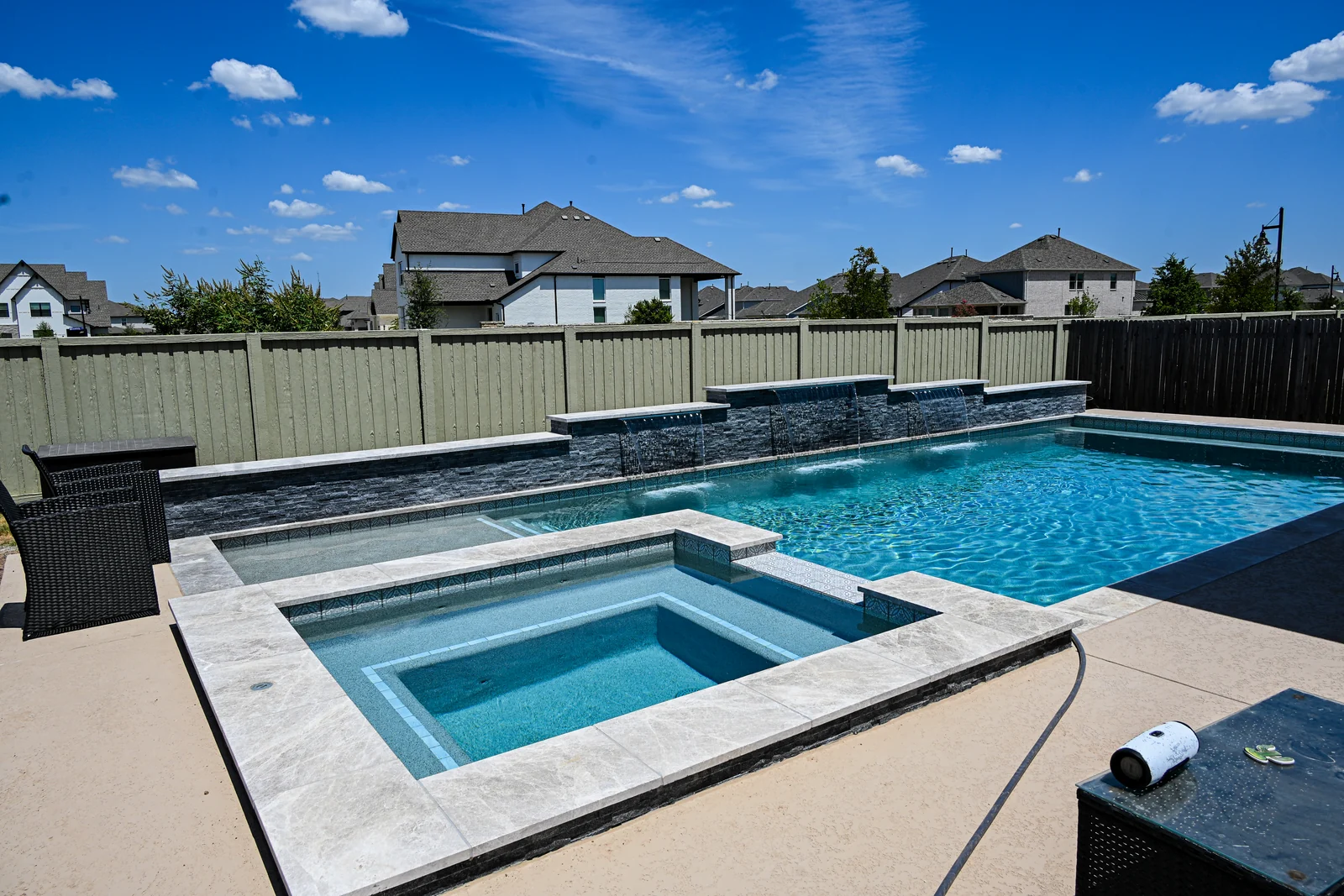
Lower bills.
Quieter pool.
Variable-speed pumps, heat pumps, saltwater systems, LED lighting, and automation. The same pool — running on a fraction of the energy.
Your pump is probably costing you $600 a year.
Most pools in Central Texas are still running single-speed pumps and gas heaters that were installed a decade ago. Those systems work — but they run at full power all day, every day, regardless of what the pool actually needs.
A variable-speed pump paired with a heat pump and a simple automation schedule can cut your pool's energy cost by more than half. The equipment pays for itself. The pool gets quieter. The water gets better.
Six upgrades that pay for themselves.
Variable-speed pumps
Single-speed pumps run at full power all the time. Variable-speed pumps match flow rate to the actual demand — cleaning cycles, spa jets, waterfall — and use up to 90% less electricity doing it.
Heat pumps
Gas heaters burn fuel to make heat. A heat pump pulls heat from the air and transfers it to the water — four to six times more efficiently. In Central Texas, a heat pump can extend your swim season by three months for less than you'd expect.
Saltwater systems
A salt chlorinator generates chlorine from salt dissolved in the water — no more hauling jugs, no harsh chemical spikes. Softer on skin, easier to maintain, and lower annual chemical costs.
LED lighting
Incandescent pool bulbs draw 300–500 watts. LED replacements draw 40–70 watts and last ten times longer. Color-programmable, retrofit into existing niches, and compatible with any automation system.
Automation & scheduling
A smart automation system lets you set filtration schedules, run pumps at off-peak hours, and monitor energy use from your phone. Pentair IntelliCenter and Jandy iAqualink are the platforms we install and support.
Pool covers
A solar cover reduces evaporation, holds heat overnight, and cuts chemical consumption. Automatic cover systems remove the friction of manual covers — open and close from a key switch in seconds.
Audit first. Install second.
We look at what you have — pump age and type, heater, lighting, controls — and identify where your money is going. Most homeowners don't know how inefficient their current setup is until we run the numbers.
We give you a prioritized list of upgrades with cost and estimated annual savings for each. You pick what makes sense. Nothing gets installed without your sign-off.
Most equipment swaps take one day. Variable-speed pump, heat pump, salt system, or LED lighting — we're in and out without draining the pool.
New equipment gets integrated into your automation system or we install one. We configure schedules, connect the app, and walk you through the controls.
We register all new equipment under manufacturer warranty and leave you with documentation — model numbers, serial numbers, and service contacts.
Central Texas pools, running smarter.
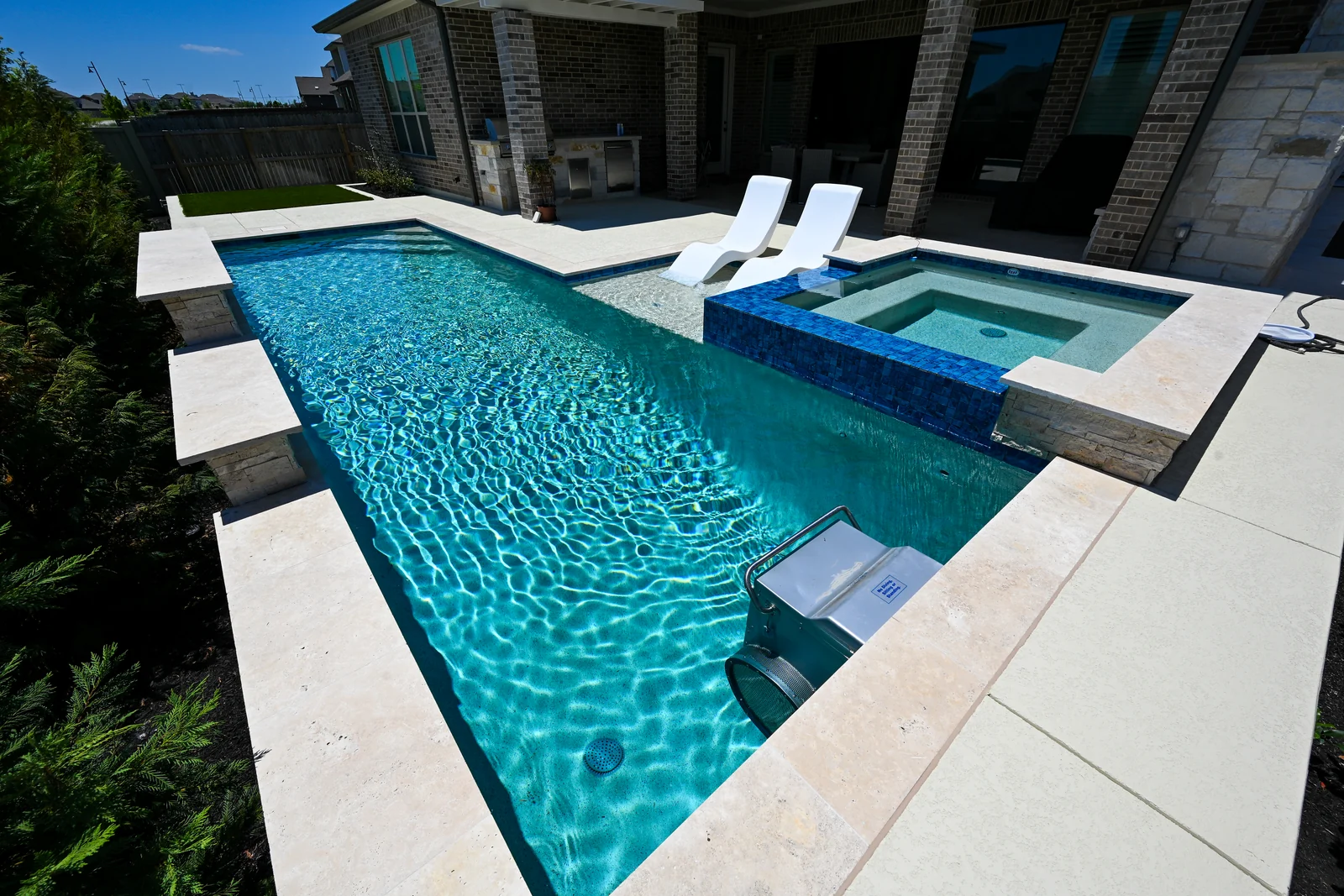
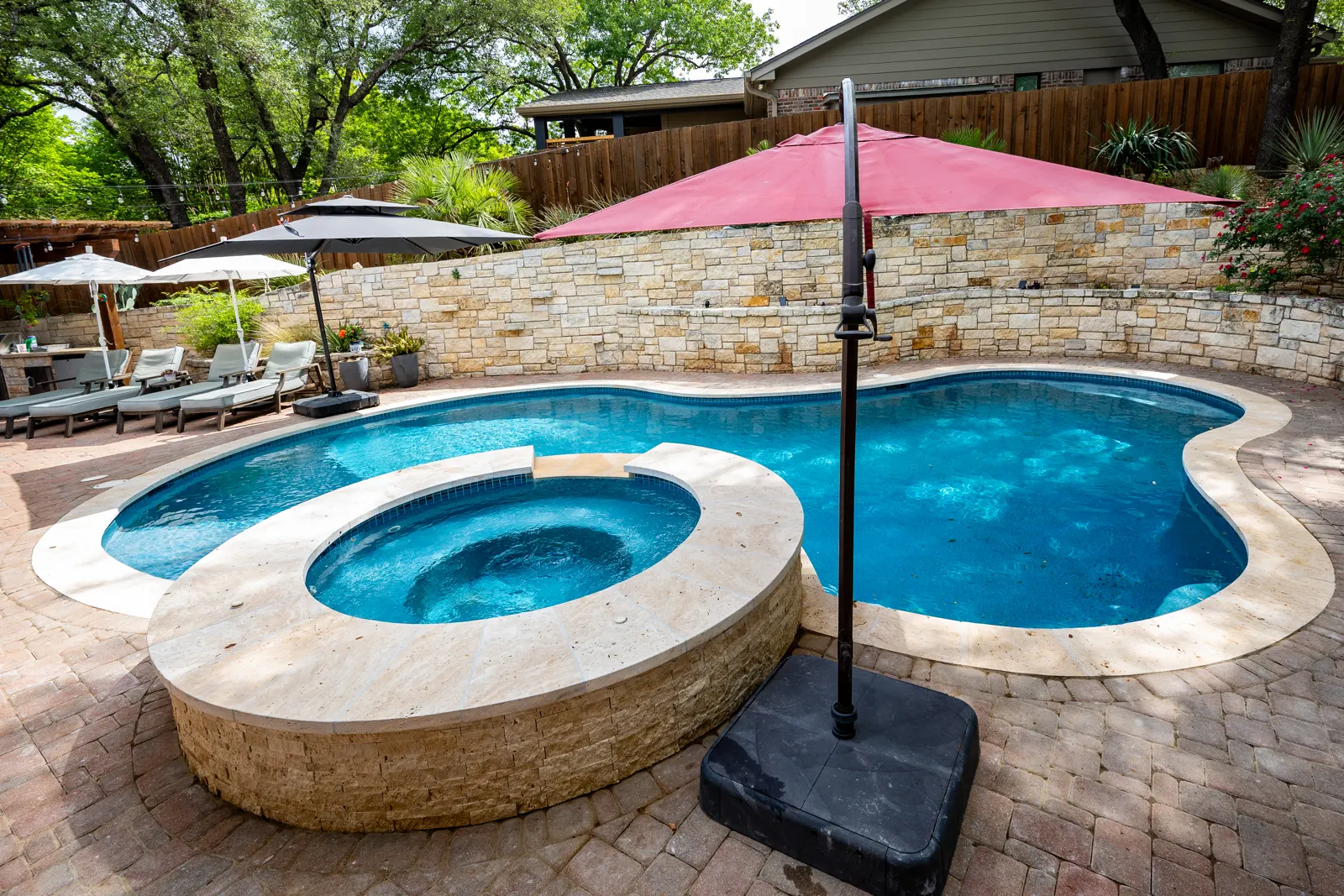
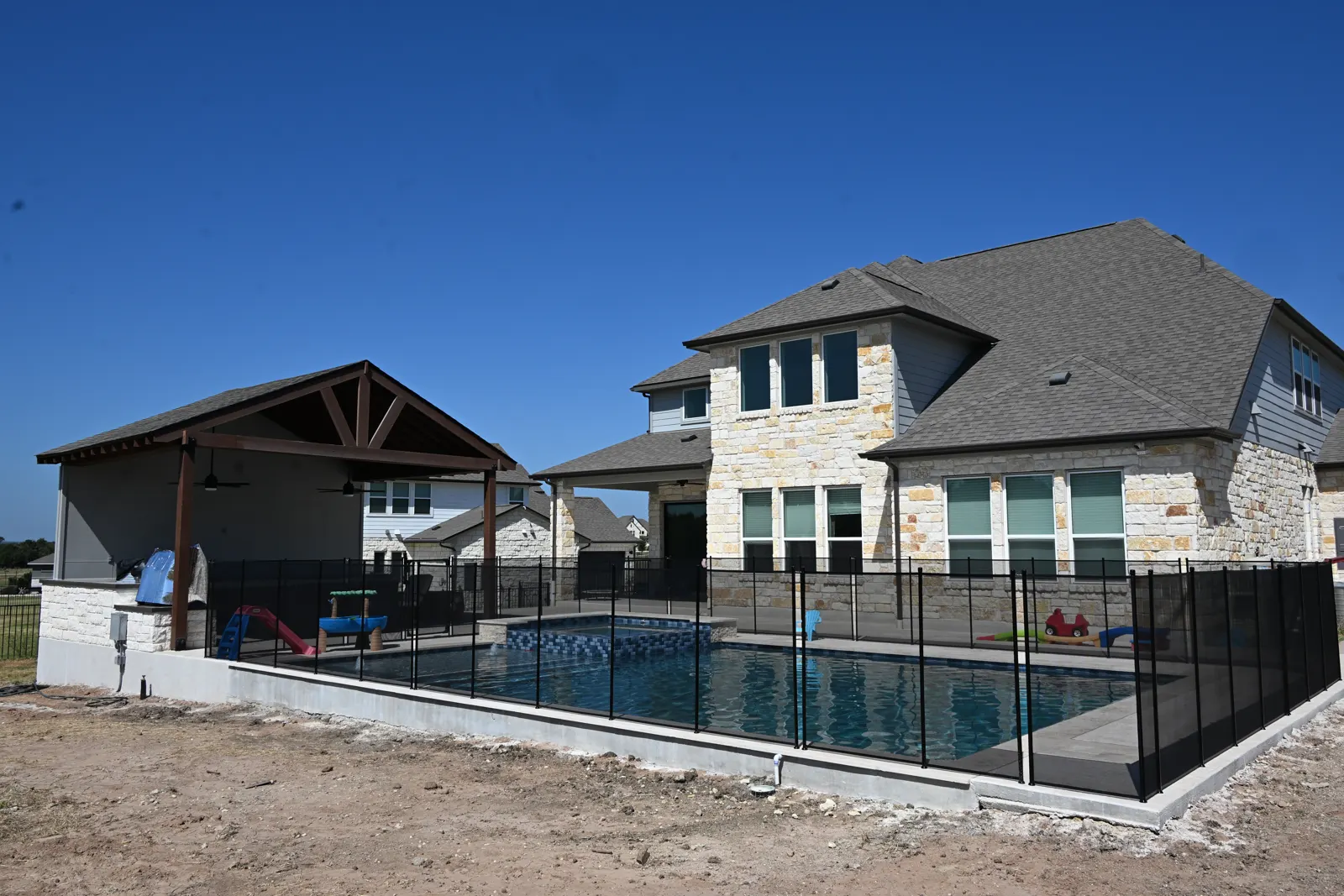
Most homeowners save $400–$800 per year on electricity after switching from a single-speed pump. The pump pays for itself in two to three years. In Texas summers — where your pump runs all day — the savings are on the higher end.
Yes — Central Texas is one of the best climates for heat pumps because they're most efficient above 50°F. You can realistically extend your swim season to 9–10 months. They're also significantly cheaper to run than gas heaters when temps are above 60°F.
No — a saltwater system generates chlorine from salt. You still have chlorine in the water, just at a steadier, lower level with no manual dosing. The result is water that's gentler on skin and eyes and easier to balance.
Almost always yes. Variable-speed pumps, heat pumps, salt systems, LED lights, and automation controllers are all above-water replacements. We rarely need to drain for an equipment upgrade.
We install Pentair IntelliCenter and Jandy iAqualink — both have solid app track records and long manufacturer support windows. Our recommendation depends on what equipment you already have and what you want to control.
Yes. If your existing equipment is compatible with an upgrade, we'll work with it. We'll also tell you honestly if something is too old or too far gone to integrate — and what replacement would cost.
Tell us what you're running.
We'll tell you what to change.
Free equipment audit. Written quote. No obligation.