Fix what's broken.
Leave the rest alone.
Leaks, cracks, loose tile, equipment that quit. We diagnose the actual problem and repair that — no bundled packages, no rebuild you didn't ask for.
Most pool problems are one problem.
A pool that is losing water, a pump that will not prime, a run of tile that let go over the winter — these are repairs. They have a cause, the cause can be found, and fixing it does not require touching the rest of the pool.
We have built and plastered enough pools to know the difference between a repair and a renovation, and we will tell you which one you actually need. If the honest answer is that the plaster is at end of life, we say so and point you to our renovation page. If it is a $400 fix, that is what you get.
Shell, tile, plumbing, equipment.
Leak detection & repair
Losing more than a quarter inch a day beyond evaporation means something is leaking. We pressure-test the plumbing, dye-test the shell and fittings, and fix the actual leak — not the whole pool.
Plaster & surface repair
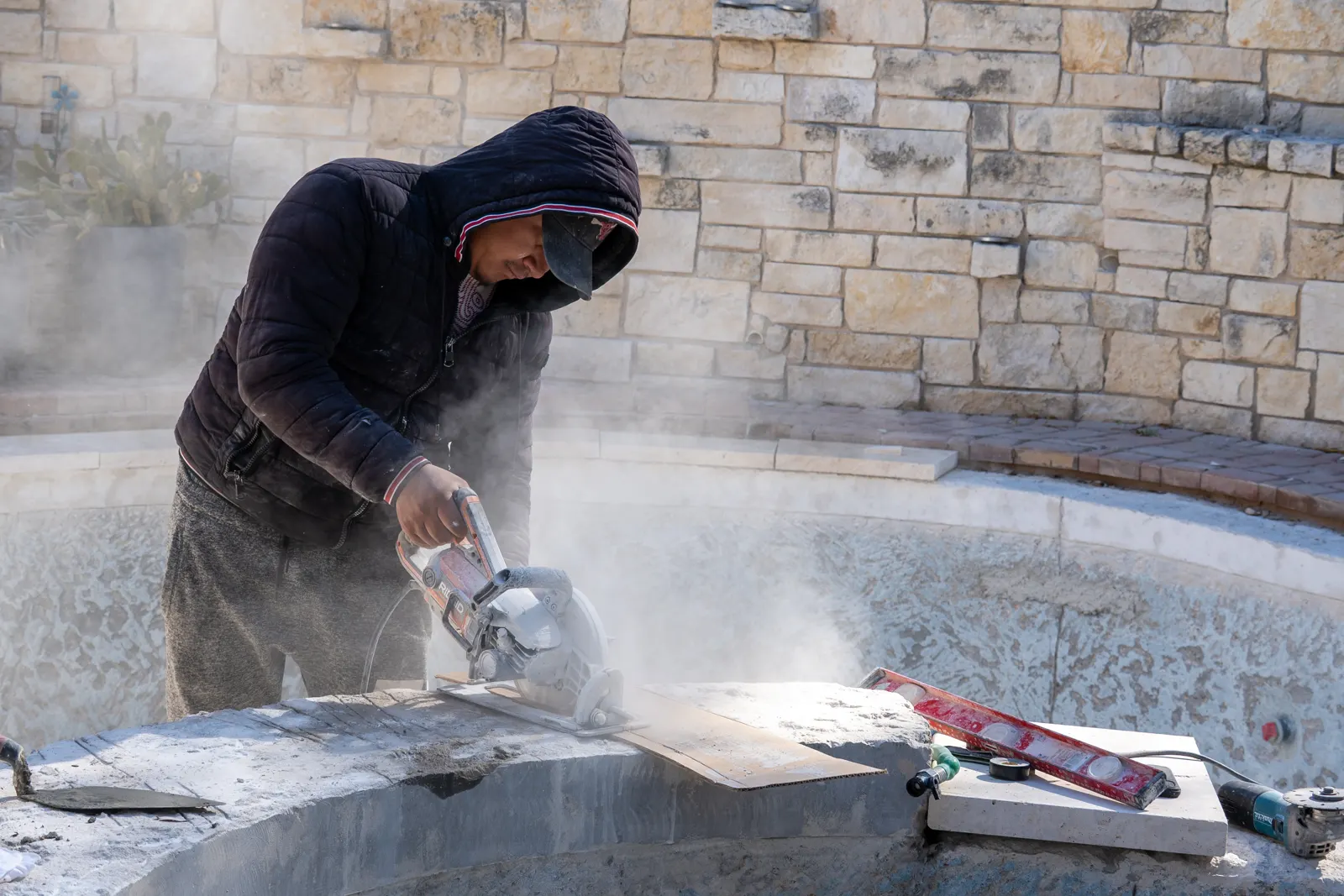
Delaminated patches, hollow spots, rough or stained areas. When the rest of the surface still has life in it, we patch and blend rather than talk you into a full replaster.
Tile & coping repair
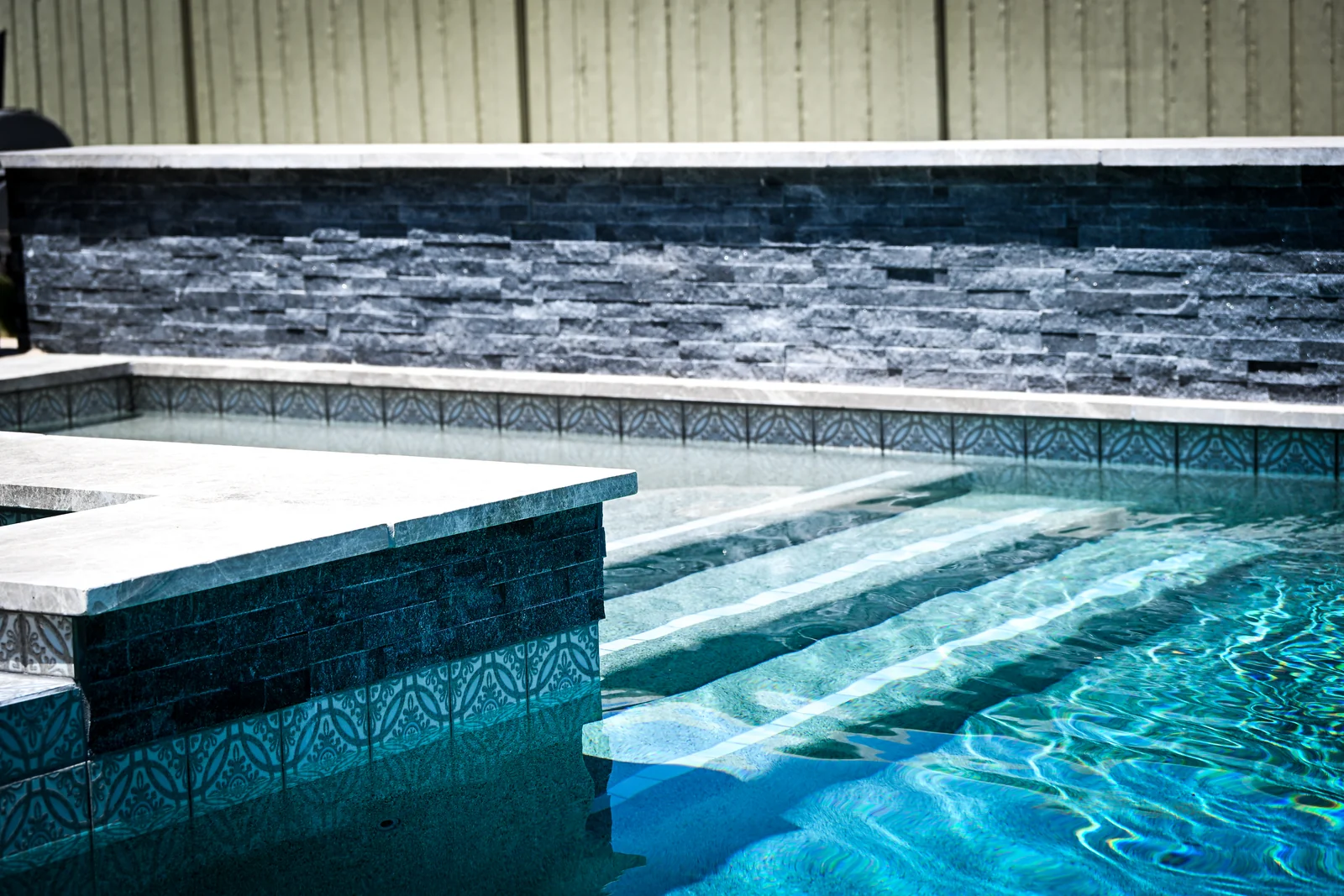
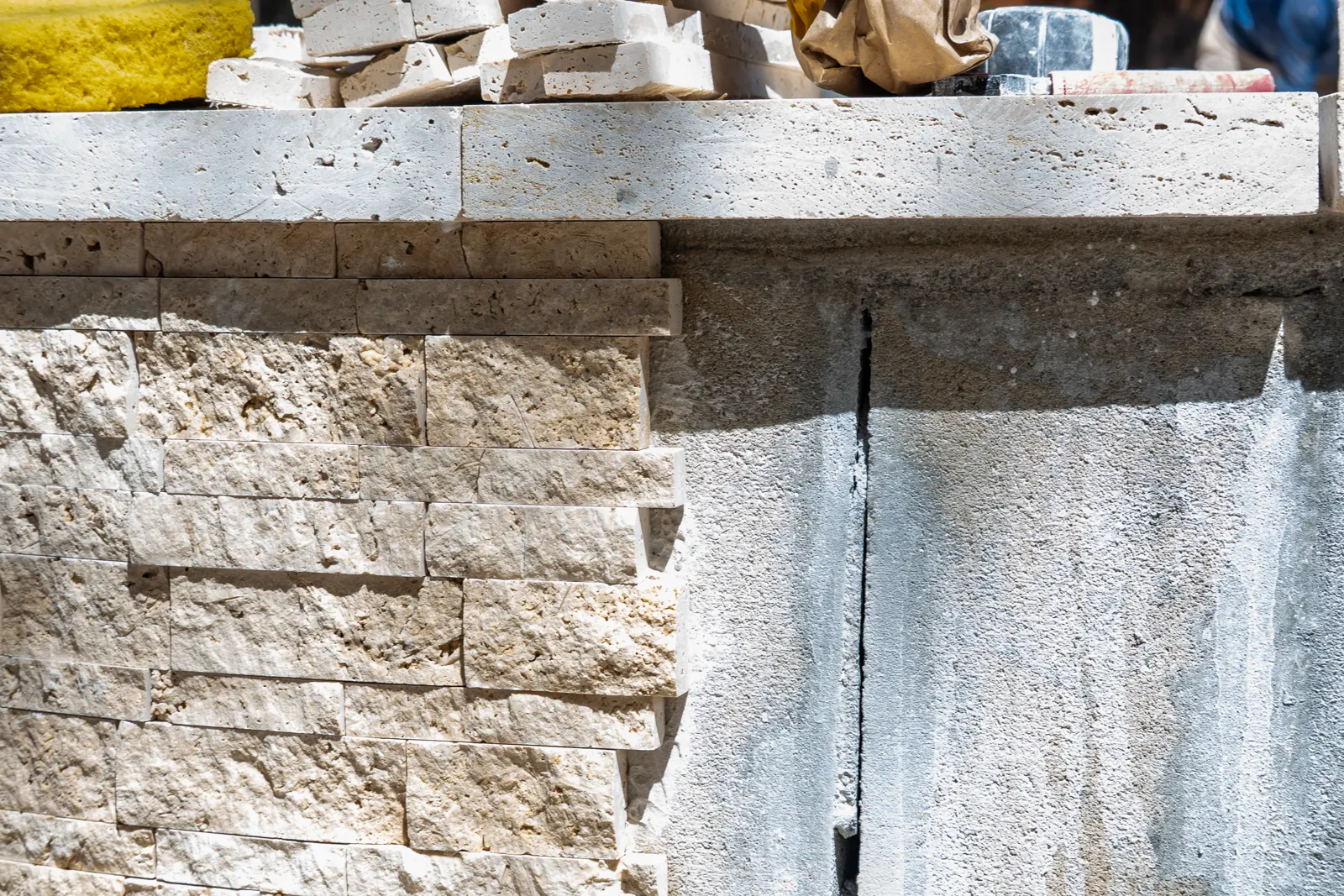
Loose or missing waterline tile, cracked coping stones, failed grout and mastic joints. We reset what can be saved and match what cannot.
Equipment repair
Pumps that hum but will not prime, filters losing pressure, heaters that short-cycle, automation that stopped talking to the app. We diagnose first and only replace what is actually failed.
Structural crack repair
Hairline crazing is cosmetic. Cracks that weep or run through the bond beam are not. We tell you which you have, then inject, stitch or rebuild the section as needed.
Plumbing & valve repair
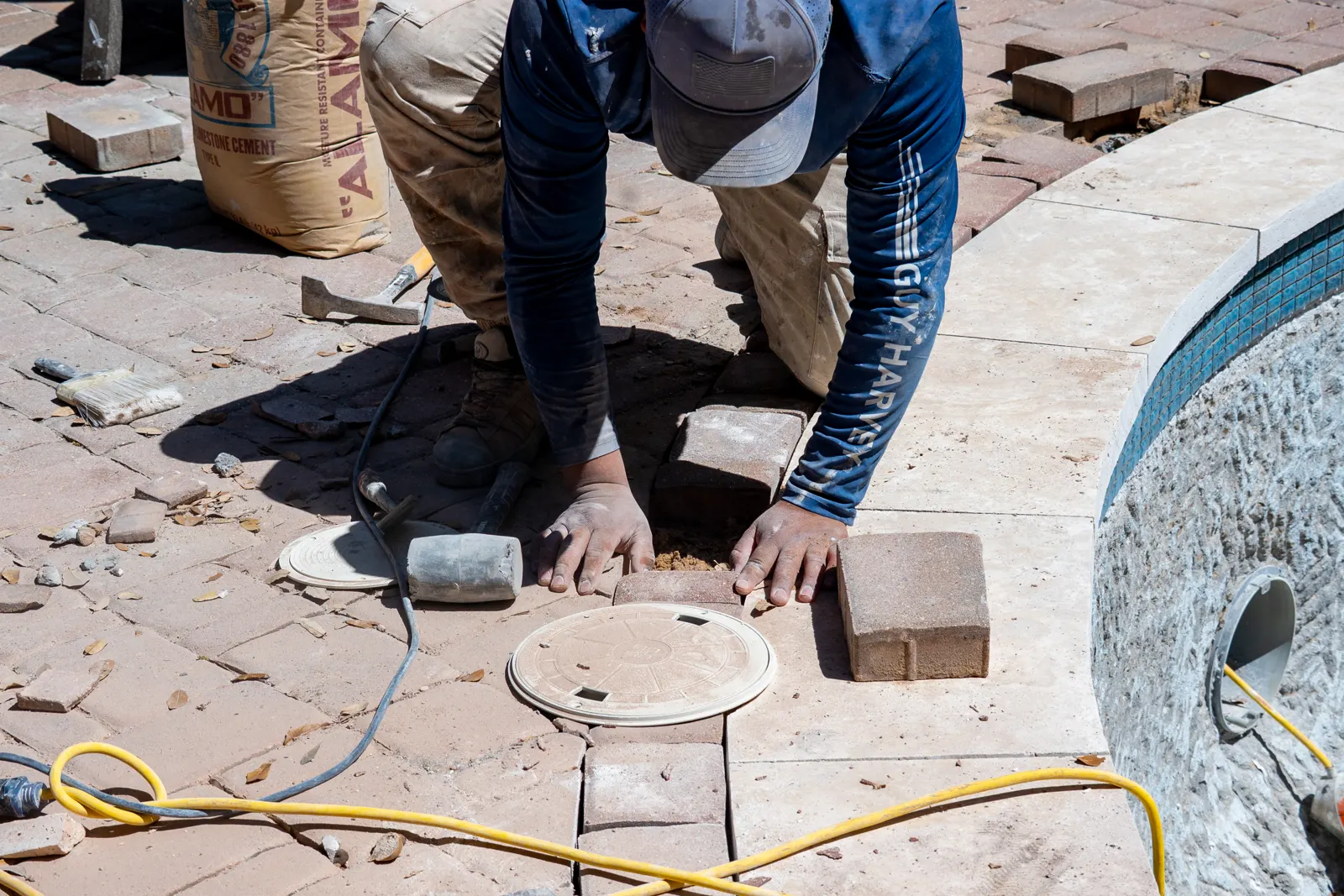
Skimmer throats, return lines, main drains, stuck valves and failed unions. Most of it is fixable without cutting up the deck, and we say so when it is.
Worth a phone call this week.
Diagnose first. Then quote.
Call or text with what you are seeing — water loss, noise, an error code, a photo of the crack. Half the time we can tell you what it probably is before we come out.
We test rather than guess: pressure tests, dye tests, meter readings on the equipment. You get a straight answer on what is wrong and what is not.
Itemized for the repair only. If we think the honest answer is that a part is at end of life, we say that too — but you decide.
Most repairs are done in a single visit. We run the system afterward, confirm the leak is stopped or the equipment is holding, and leave you with what we found.
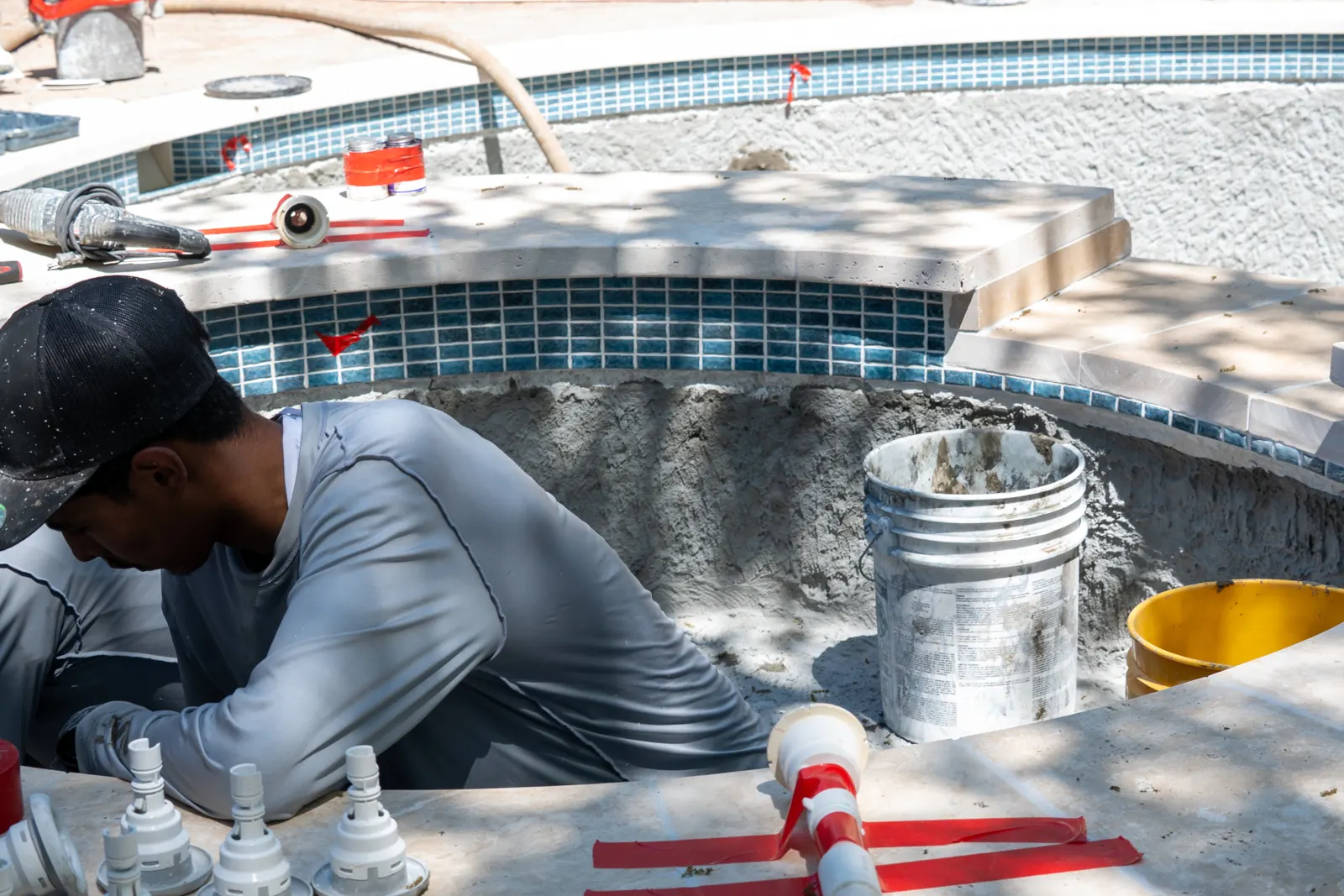
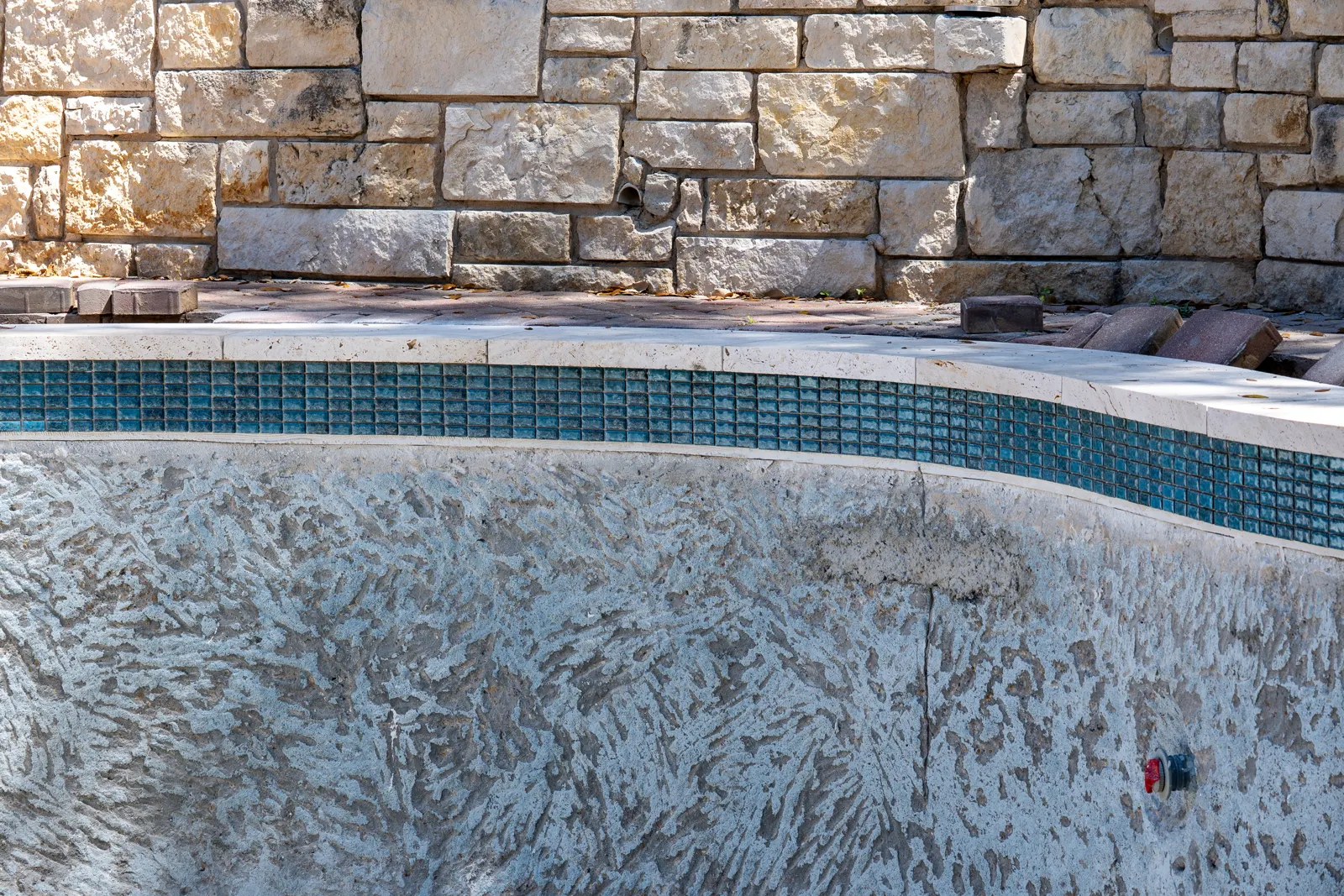
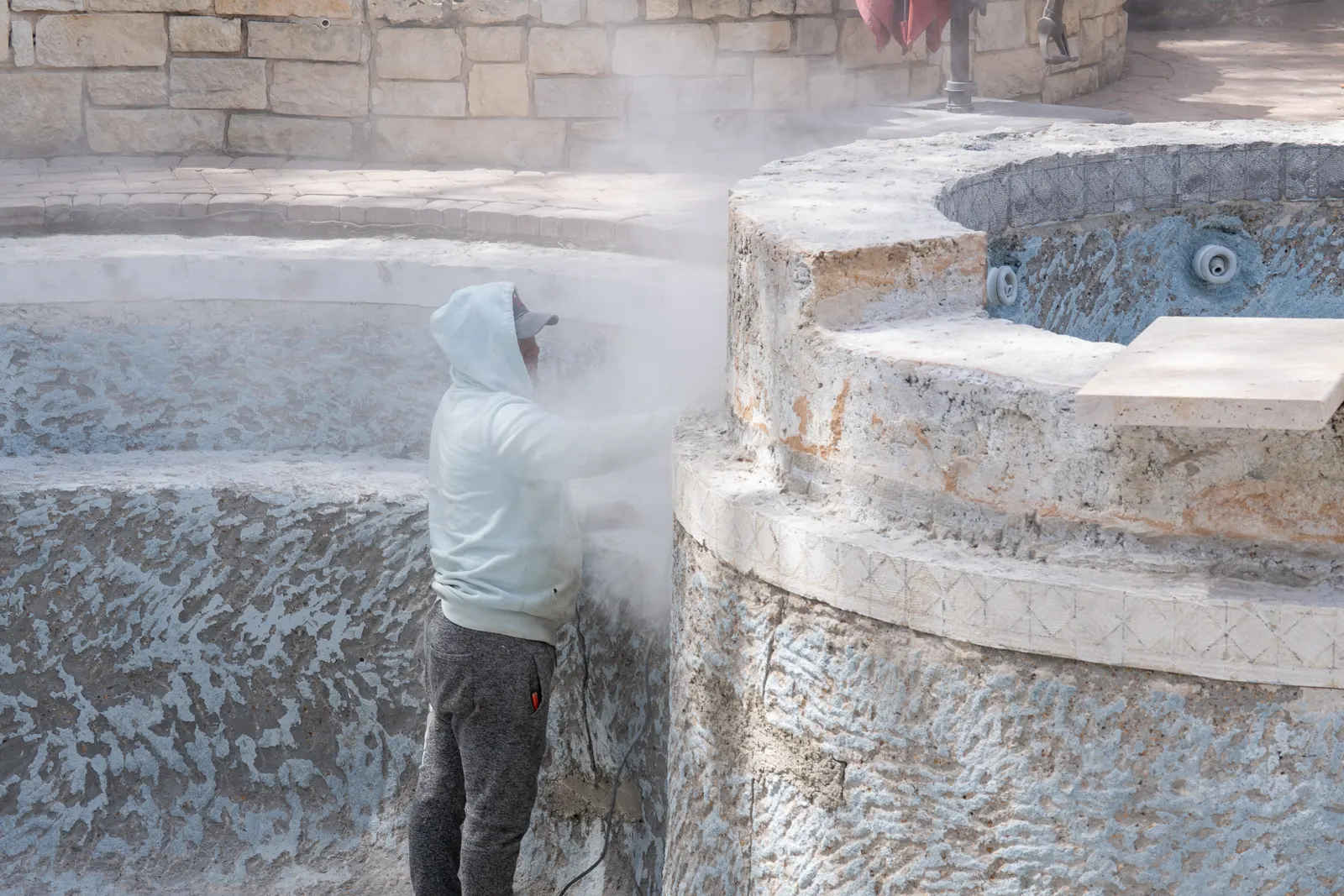
Repairs, up close.
Do the bucket test: set a bucket of pool water on a step, mark both levels, and check after 24 hours with the pump off. If the pool dropped more than the bucket, it is leaking. Anything beyond about a quarter inch a day in Central Texas summer is worth a call.
Yes. Most of our repair work is on pools built by someone else. We diagnose what is in front of us regardless of who built it.
Some can. Small surface cracks and many tile and coping repairs are done at or just below water level. Structural cracks, bond beam repairs and plaster patches need the area dry, which usually means a partial or full drain. We tell you which before we quote.
We diagnose first. A failed capacitor, seal or bearing is a repair. A motor with burned windings on a ten-year-old single-speed pump is usually worth replacing with a variable-speed unit that pays for itself in electricity. We give you both numbers and you decide.
Call or text with what you are seeing. Active leaks and equipment that has stopped running get scheduled first, usually within a few days. Cosmetic tile and coping work is scheduled around our build calendar.
It depends entirely on what is wrong, which is why we diagnose before we quote. You get an itemized written price for the repair itself after one visit. We do not bundle repairs into packages.
The same Central Texas area we build in — Austin, Round Rock, Cedar Park, Georgetown, Leander, Liberty Hill, Pflugerville, Hutto, Lago Vista, Jonestown, Marble Falls, Granite Shoals, Bertram and the surrounding area, up to about 75 miles out.
Tell us what it's doing.
We'll tell you what it needs.
One visit. One written repair quote. Donna or Ben — not a rep.